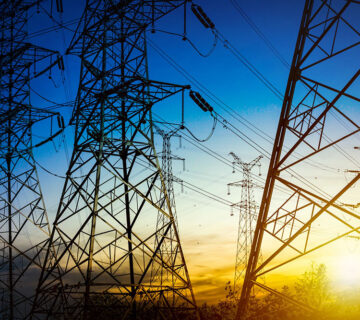

Transmission and distribution equipment form the backbone of electrical infrastructure, facilitating the efficient and reliable delivery of electricity from power plants to consumers. In this short article, we explore the significance of transmission and distribution equipment, their key components, and their role in ensuring a robust electricity supply system.
Transmission and distribution equipment are crucial for maintaining the integrity and stability of the power grid. Transmission lines carry high-voltage electricity over long distances, connecting power plants to substations, while distribution lines deliver lower-voltage electricity to homes, businesses, and other end-users. Without these essential components, the widespread distribution of electricity would not be possible
Transmission and distribution equipment are instrumental in maintaining the reliability and resilience of the power grid. They enable utilities to manage power flows, balance supply and demand, and respond swiftly to disruptions or emergencies. Additionally, advancements in technology, such as smart grid systems and digital monitoring devices, enhance the efficiency and effectiveness of transmission and distribution operations.
The transmission and distribution sector faces various challenges, including aging infrastructure, capacity constraints, and the integration of renewable energy sources. However, these challenges also drive innovation, prompting the development of new technologies and solutions aimed at enhancing grid reliability, increasing efficiency, and promoting sustainability.
In conclusion, transmission and distribution equipment are indispensable components of the power grid, facilitating the efficient and reliable delivery of electricity to consumers worldwide. By investing in modernization efforts, embracing technological advancements, and promoting collaboration across the industry, we can ensure a resilient and sustainable electricity infrastructure for generations to come.