Construction equipment refers to a broad category of machinery, tools, and vehicles designed for use in construction projects of all scales and complexities. These specialized tools and equipment are essential for various tasks involved in building, infrastructure development, and civil engineering projects.
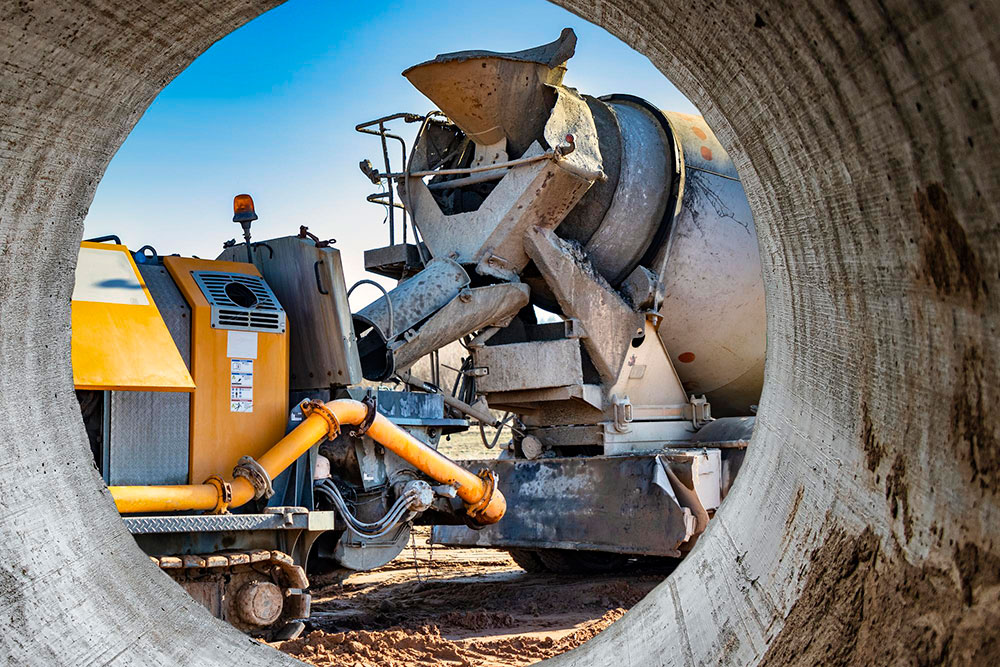
The scope of construction equipment encompasses a wide range of machines and tools tailored to specific construction tasks. This includes earthmoving equipment such as excavators, bulldozers, and loaders, used for site preparation and excavation. Additionally, there are materials handling equipment like cranes, forklifts, and hoists, utilized for lifting and moving heavy materials and structures. Other types of construction equipment include concrete mixers, pavers, compactors, and drilling rigs, each serving a unique purpose in the construction process.
Construction equipment plays a pivotal role in enhancing productivity, efficiency, and safety on construction sites. These machines and tools enable construction companies to complete projects faster, with greater precision and accuracy. Additionally, modern construction equipment is often equipped with advanced features and technologies, such as GPS systems, telematics, and automated controls, to further improve performance and reduce downtime.
The construction equipment industry is highly dynamic and competitive, with manufacturers constantly innovating and introducing new technologies to meet the evolving needs of the construction sector. Key players in the industry include global manufacturers such as Caterpillar, Komatsu, Volvo, and Hitachi, as well as numerous smaller companies specializing in niche segments of the market.
The demand for construction equipment is influenced by factors such as economic growth, infrastructure development, urbanization, and government spending on public projects. As emerging markets continue to invest in infrastructure and construction projects, the global demand for construction equipment is expected to remain robust in the coming years.
In conclusion, construction equipment is indispensable for the construction industry, enabling contractors and builders to undertake a wide range of tasks efficiently and effectively. By investing in modern equipment and embracing technological advancements, construction companies can enhance productivity, improve safety, and drive progress in the built environment.